Hamas War

Showing posts with label Ecclesiastes. Show all posts

Sunday, September 9, 2018

Have a Wonderful, Healthy, Joyful 5779

Cross-posted on A Jewish Grandmother


For those of you waiting for my annual Fruit Head to greet the New Jewish Year, here he/she is! A few decades ago, during my quarter century, yes, 25 years, as a vegetarian, I adapted our Rosh Hashana table to the reality that nobody in the family wanted to eat a fish head, or even look at one. So, since then I've decorated a fruit, usually an apple, in honor of the New Jewish Year.

I bless you with a year of comfortable companionship. May you never be alone.

The 5779 Fruit Head is joined by a רימון rimon, pomegranate, one of the fruits which has much spiritual significance in Judaism, read 9 Jewish Things About Pomegranates.

One of the principles of Judaism is that Gd is all over, not just in the synagogue, not just when you're praying or remembering Him. Judaism is a "full-time" religion, and we don't need an intermediary to pray to Gd. Gd also sees us all the time, what we do and what we think. We can't hide from Gd.

At the same time, Judaism is divided between the קודש וחול Kodesh v'Chol, the Holy/Gd and Ordinary People/things/everyday. That's why in Judaism it's not considered enough to just pray to Gd, even saying all the words ourselves, it's preferable to pray with a proper minyan, ten men prayer group, with a leader.

Judaism isn't a solitary religion; it's a community. We need other people, other Jews. We need family, even when the family isn't all biologically and legally related. We need the support of other people, and we must help and support in turn. Yes, there is a time when we give and when we receive. That concept is repeated in the book of קהלת Kohelet, Ecclesiastes.

Last week when I led our pre-High Holiday book club discussion on  קהלת Kohelet, Ecclesiastes, I asked if anyone knew why the writer, the son of King David, generally believed to be King Solomon, gave himself the name קהלת Kohelet. We couldn't think of a reason.

Maybe we're supposed to see ourselves as part of a long, complex Jewish History of Jewish People. There are repetitive cycles and lessons to be learned, and that is what King Solomon who is described in the Tanach/Bible as very wise is trying to tell us in קהלת Kohelet, Ecclesiastes. We are a very unique community קהל Kahal from the same linguistic root as קהלת Kohelet.

To survive we need both ordinary people and Gd. Even when things look bad, they are just part of the normal cycle, and we mustn't allow ourselves to wallow in depression. Reach out to others, humans and Gd. Don't be alone.

שנה טובה ומתוקה

גמר חתימה טובה

Friday, August 24, 2018

Deja Vu, Why This Blog has Quieted Down

אין חדש
Nothing's new
Kohelet, Ecclesiastes, is 100% correct.
Rivers run into the seas.
There's a time for everything.

Should we be surprised that The European Union supports the Arabs, the Arab terrorists over Israel?
No. Don' t you remember their quiet as European Jewry was exterminated? Genocide? The Holocaust? And centuries before the Inquisition and how until well into the 19th Century Jews weren't allowed to live freely as Jews in most countries there.

And don't ignore that a requirement for political success is an oversized ego, which has its problems when it comes to honesty, etc.

I've written about all that. Recently, I feel that I'm writing the same articles, with a change in name or date.

So, I'll still write on occasion, when I find something worth writing about or when I'm in the mood. Today I'm not in the mood, not at all.

I've been keeping up with my other blog, A Jewish Grandmother, so please read that.

Shabbat Shalom U'Memevorach,May You have a Peaceful and Blessed Shabbat

Sunday, October 8, 2017

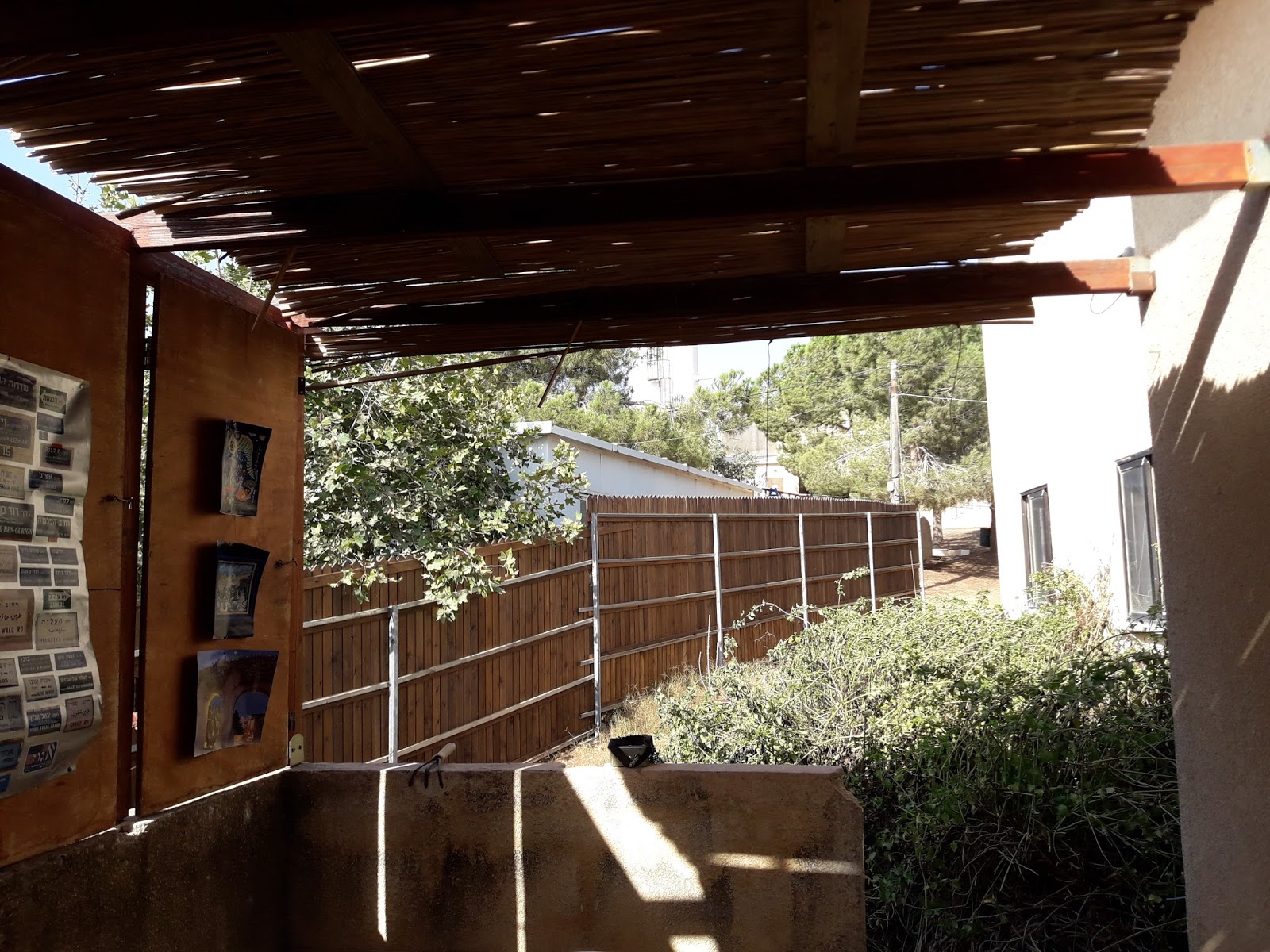
Looking Through The Sukkah at Kohelet, Ecclesiastes

There's a time for...

Chazal, our sages decided that the book of Kohelet, Ecclesiastes should be read during the Succot holiday, which Gd commanded that we celebrate just as summer becomes winter. This is a time of the year when the weather here in the Holy Land can be very unpredictable.

We've been living in Israel for almost half a century. I have memories of days so hot they rival sumer and also rainstorms that had us in the house rather than the sukkah. There have also been years with such winds that the sechach, the special "roof" blew off the sukkah. And other families, whose sukkot are less sturdy than ours, lost theirs completely.

Kohelet, Ecclesiastes has a very well-known section in Chapter 3, which reminds us that there's a season for all things:
1Everything has an appointed season, and there is a time for every matter under the heaven.אלַכֹּ֖ל זְמָ֑ן וְעֵ֥ת לְכָל־חֵ֖פֶץ תַּ֥חַת הַשָּׁמָֽיִם:
2A time to give birth and a time to die; a time to plant and a time to uproot that which is planted.בעֵ֥ת לָלֶ֖דֶת וְעֵ֣ת לָמ֑וּת עֵ֣ת לָטַ֔עַת וְעֵ֖ת לַֽעֲק֥וֹר נָטֽוּעַ:
3A time to kill and a time to heal; a time to break and a time to build.געֵ֤ת לַֽהֲרוֹג֙ וְעֵ֣ת לִרְפּ֔וֹא עֵ֥ת לִפְר֖וֹץ וְעֵ֥ת לִבְנֽוֹת:
4A time to weep and a time to laugh; a time of wailing and a time of dancing.דעֵ֤ת לִבְכּוֹת֙ וְעֵ֣ת לִשְׂח֔וֹק עֵ֥ת סְפ֖וֹד וְעֵ֥ת רְקֽוֹד:
5A time to cast stones and a time to gather stones; a time to embrace and a time to refrain from embracing.העֵת לְהַשְׁלִ֣יךְ אֲבָנִ֔ים וְעֵ֖ת כְּנ֣וֹס אֲבָנִ֑ים עֵ֣ת לַֽחֲב֔וֹק וְעֵ֖ת לִרְחֹ֥ק מֵֽחַבֵּֽק:
6A time to seek and a time to lose; a time to keep and a time to cast away.ועֵ֤ת לְבַקֵּשׁ֙ וְעֵ֣ת לְאַבֵּ֔ד עֵ֥ת לִשְׁמ֖וֹר וְעֵ֥ת לְהַשְׁלִֽיךְ:
7A time to rend and a time to sew; a time to be silent and a time to speak.זעֵ֤ת לִקְר֨וֹעַ֙ וְעֵ֣ת לִתְפּ֔וֹר עֵ֥ת לַֽחֲשׁ֖וֹת וְעֵ֥ת לְדַבֵּֽר:
8A time to love and a time to hate; a time for war and a time for peace.חעֵ֤ת לֶֽאֱהֹב֙ וְעֵ֣ת לִשְׂנֹ֔א עֵ֥ת מִלְחָמָ֖ה וְעֵ֥ת שָׁלֽוֹם:


Considering the unpredictability of the weather during Sukkot, you'd think that Gd would try to make it a bit easier and command us to live in these "temporary huts" for Shavuot, which falls in early summer, late spring. But Gd must have wanted to challenge us. Life isn't supposed to be easy.

There are good Jews who live in places in which there are frequent snowstorms or hurricanes just when Sukkot is on the calendar.

On Sukkot, we're, davka, commanded to be happy and celebrate. If someone dies and/or is buried during Sukkot, mourning is postponed. That's because we must learn to separate our personal joy or sadness with our religious/national feelings. We must remember that, contrary to pop/modern psychology, we are first Jews and part of a unique People/Nation.

It's not even a matter of simple "Gd will take care of us." We must remember that after This World, there is another. And that is the place where we enjoy or suffer for how we lived our lives here.

Chag Sameach

Friday, October 16, 2009

The Year of Double Kohelet, Ecclesiastes, and No Simchat Torah

This year I didn't celebrate Simchat Torah.  No, it wasn't a private protest against G-d and the Jewish religion.

For family reasons, I had to fly from Israel to New York, and there are differences between the calendars and customs.  In Israel, we celebrate the Jewish Pilgrimage Festivals, Succot, Passover and Shavuot with single day Holy Day restrictions, while in Galut, the Diaspora, they are double-days.  The result is that Passover lasts eight days in the Diaspora, rather than the Biblical seven in Israel, and Simchat Torah is a day later abroad, since Succot is a day longer. 

This year had another difference, because Succot began on a Shabbat.  The usual custom is to read Kohelet, Ecclesiastes, on the Shabbat during the week of Succot. Since there was no Shabbat Chol HaMoed (intermediate day,) it was read the first day of Succot in Israel but in the Diaspora the following Shabbat which was the day before Simchat Torah.  Because I'm an Israeli, I wasn't required to observe Simchat Torah on its Diaspora day, and I just walked very discreetly back to my parents' home after Shabbat.

I heard Kohelet, Ecclesiastes, twice, first in my own neighborhood synagogue here in Shiloh and then a week later in the Great Neck Synagogue, where I was a guest.  For those who don't know what Kohelet, Ecclesiastes, is about, it was written by King Solomon, King David's son, who built the Holy Temple in Jerusalem.  It's a beautiful philosphic testimony in which he admits that he wasted much of his life on material persuits.

The phrase, "nothing's new under the sun," is repeated many times.  Kohelet is also the origin of:


Ecclesiastes Chapter 3 קֹהֶלֶת

א לַכֹּל, זְמָן; וְעֵת לְכָל-חֵפֶץ, תַּחַת הַשָּׁמָיִם. {פ} 1 To every thing there is a season, and a time to every purpose under the heaven: {P}

ב עֵת לָלֶדֶת, וְעֵת לָמוּת;

עֵת לָטַעַת, וְעֵת לַעֲקוֹר נָטוּעַ. 2 {S} A time to be born, {S} and a time to die; {N}

{S} a time to plant, {S} and a time to pluck up that which is planted; {N}


ג עֵת לַהֲרוֹג וְעֵת לִרְפּוֹא,

עֵת לִפְרוֹץ וְעֵת לִבְנוֹת. 3 {S} A time to kill, {S} and a time to heal; {N}

{S} a time to break down, {S} and a time to build up; {N}


ד עֵת לִבְכּוֹת וְעֵת לִשְׂחוֹק,

עֵת סְפוֹד וְעֵת רְקוֹד. 4 {S} A time to weep, {S} and a time to laugh; {N}

{S} a time to mourn, {S} and a time to dance; {N}


ה עֵת לְהַשְׁלִיךְ אֲבָנִים, וְעֵת כְּנוֹס אֲבָנִים;

עֵת לַחֲבוֹק, וְעֵת לִרְחֹק מֵחַבֵּק. 5 {S} A time to cast away stones, {S} and a time to gather stones together; {N}

{S} a time to embrace, {S} and a time to refrain from embracing; {N}


ו עֵת לְבַקֵּשׁ וְעֵת לְאַבֵּד,

עֵת לִשְׁמוֹר וְעֵת לְהַשְׁלִיךְ. 6 {S} A time to seek, {S} and a time to lose; {N}

{S} a time to keep, {S} and a time to cast away; {N}


ז עֵת לִקְרוֹעַ וְעֵת לִתְפּוֹר,

עֵת לַחֲשׁוֹת וְעֵת לְדַבֵּר. 7 {S} A time to rend, {S} and a time to sew; {N}

{S} a time to keep silence, {S} and a time to speak; {N}


ח עֵת לֶאֱהֹב וְעֵת לִשְׂנֹא,

עֵת מִלְחָמָה וְעֵת שָׁלוֹם. {פ} 8 {S} A time to love, {S} and a time to hate; {N}

{S} a time for war, {S} and a time for peace. {N}


For me this was an extra reminder of why I was in New York instead of being at home.  My elderly parents need my help.  My mother's in the hospital, and I had to bring my father back to Israel with me.  They both must leave the house they have lived in since 1962.  They have to give up most of the possesions they have amassed in almost half a century.  Havel Havelim, Vanities of Vanities, is how King Solomon describes it all.
ו עַד אֲשֶׁר לֹא-ירחק (יֵרָתֵק) חֶבֶל הַכֶּסֶף, וְתָרוּץ גֻּלַּת הַזָּהָב; וְתִשָּׁבֶר כַּד עַל-הַמַּבּוּעַ, וְנָרֹץ הַגַּלְגַּל אֶל-הַבּוֹר. 6 Before the silver cord is snapped asunder, and the golden bowl is shattered, and the pitcher is broken at the fountain, and the wheel falleth shattered, into the pit;
ז וְיָשֹׁב הֶעָפָר עַל-הָאָרֶץ, כְּשֶׁהָיָה; וְהָרוּחַ תָּשׁוּב, אֶל-הָאֱלֹהִים אֲשֶׁר נְתָנָהּ. 7 And the dust returneth to the earth as it was, and the spirit returneth unto God who gave it.
ח הֲבֵל הֲבָלִים אָמַר הַקּוֹהֶלֶת, הַכֹּל הָבֶל. 8 Vanity of vanities, saith Koheleth; all is vanity.
ט וְיֹתֵר, שֶׁהָיָה קֹהֶלֶת חָכָם: עוֹד, לִמַּד-דַּעַת אֶת-הָעָם, וְאִזֵּן וְחִקֵּר, תִּקֵּן מְשָׁלִים הַרְבֵּה. 9 And besides that Koheleth was wise, he also taught the people knowledge; yea, he pondered, and sought out, and set in order many proverbs.
י בִּקֵּשׁ קֹהֶלֶת, לִמְצֹא דִּבְרֵי-חֵפֶץ; וְכָתוּב יֹשֶׁר, דִּבְרֵי אֱמֶת. 10 Koheleth sought to find out words of delight, and that which was written uprightly, even words of truth.
יא דִּבְרֵי חֲכָמִים כַּדָּרְבֹנוֹת, וּכְמַשְׂמְרוֹת נְטוּעִים בַּעֲלֵי אֲסֻפּוֹת; נִתְּנוּ, מֵרֹעֶה אֶחָד. 11 The words of the wise are as goads, and as nails well fastened are those that are composed in collections; they are given from one shepherd.
יב וְיֹתֵר מֵהֵמָּה, בְּנִי הִזָּהֵר: עֲשׂוֹת סְפָרִים הַרְבֵּה אֵין קֵץ, וְלַהַג הַרְבֵּה יְגִעַת בָּשָׂר. 12 And furthermore, my son, be admonished: of making many books there is no end; and much study is a weariness of the flesh.
יג סוֹף דָּבָר, הַכֹּל נִשְׁמָע: אֶת-הָאֱלֹהִים יְרָא וְאֶת-מִצְו‍ֹתָיו שְׁמוֹר, כִּי-זֶה כָּל-הָאָדָם. 13 The end of the matter, all having been heard: fear God, and keep His commandments; for this is the whole man.
יד כִּי, אֶת-כָּל-מַעֲשֶׂה, הָאֱלֹהִים יָבִא בְמִשְׁפָּט, עַל כָּל-נֶעְלָם: אִם-טוֹב, וְאִם-רָע. {ש} 14 For God shall bring every work into the judgment concerning every hidden thing, whether it be good or whether it be evil. {P}
In the end, what is life all about?
Shabbat Shalom uMevorah


May You Have a Peaceful and Blessed Shabbat   

Saturday, April 11, 2009

King Solomon's Parting Words

I've checked with some Biblical scholars, and nobody can prove me wrong, not right either to be perfectly honest...

I have no doubt that Shlomo HaMelech, King Solomon, wrote שיר השיריםת Shir HaShirim, Song of Songs in his old age.

First of all, in King Solomon's youth, he was involved with many women. He admits it in קהלת Kohelet, Ecclesiastes.


ח כָּנַסְתִּי לִי גַּם-כֶּסֶף וְזָהָב, וּסְגֻלַּת מְלָכִים וְהַמְּדִינוֹת; עָשִׂיתִי לִי שָׁרִים וְשָׁרוֹת, וְתַעֲנֻגוֹת בְּנֵי הָאָדָם--שִׁדָּה וְשִׁדּוֹת.
8 I gathered me also silver and gold, and treasure such as kings and the provinces have as their own; I got me men-singers and women-singers, and the delights of the sons of men, women very many.
ט וְגָדַלְתִּי וְהוֹסַפְתִּי, מִכֹּל שֶׁהָיָה לְפָנַי בִּירוּשָׁלִָם; אַף חָכְמָתִי, עָמְדָה לִּי.
9 So I was great, and increased more than all that were before me in Jerusalem; also my wisdom stood me in stead.
י וְכֹל אֲשֶׁר שָׁאֲלוּ עֵינַי, לֹא אָצַלְתִּי מֵהֶם: לֹא-מָנַעְתִּי אֶת-לִבִּי מִכָּל-שִׂמְחָה, כִּי-לִבִּי שָׂמֵחַ מִכָּל-עֲמָלִי, וְזֶה-הָיָה חֶלְקִי, מִכָּל-עֲמָלִי.
10 And whatsoever mine eyes desired I kept not from them; I withheld not my heart from any joy, for my heart had joy of all my labour; and this was my portion from all my labour.

For King Solomon, writing Kohelet was a crucial stage in his תשובה Tshuva, repentance. Afterwards he wrote Mishle, and only after that was he sufficiently "cleansed" to be able to write something as multi-leveled as Shir HaShirim.

Especially if you're used to Artscroll's English translation rendition, admitted interpretation, you haven't a clue to the sexual terminology and innuendos in the text. The Hebrew isn't your run of the mill, everyday shopping and clerical errands Hebrew.

Song of Songs Chapter 1
א שִׁיר הַשִּׁירִים, אֲשֶׁר לִשְׁלֹמֹה.
1 The song of songs, which is Solomon's.
ב יִשָּׁקֵנִי מִנְּשִׁיקוֹת פִּיהוּ, כִּי-טוֹבִים דֹּדֶיךָ מִיָּיִן.
2 Let him kiss me with the kisses of his mouth--for thy love is better than wine.
ג לְרֵיחַ שְׁמָנֶיךָ טוֹבִים, שֶׁמֶן תּוּרַק שְׁמֶךָ; עַל-כֵּן, עֲלָמוֹת אֲהֵבוּךָ.
3 Thine ointments have a goodly fragrance; thy name is as ointment poured forth; therefore do the maidens love thee.
ד מָשְׁכֵנִי, אַחֲרֶיךָ נָּרוּצָה; הֱבִיאַנִי הַמֶּלֶךְ חֲדָרָיו, נָגִילָה וְנִשְׂמְחָה בָּךְ--נַזְכִּירָה דֹדֶיךָ מִיַּיִן, מֵישָׁרִים אֲהֵבוּךָ. {פ}
4 Draw me, we will run after thee; the king hath brought me into his chambers; we will be glad and rejoice in thee, we will find thy love more fragrant than wine! sincerely do they love thee. {P}
ה שְׁחוֹרָה אֲנִי וְנָאוָה, בְּנוֹת יְרוּשָׁלִָם; כְּאָהֳלֵי קֵדָר, כִּירִיעוֹת שְׁלֹמֹה.
5 'I am black, but comely, O ye daughters of Jerusalem, as the tents of Kedar, as the curtains of Solomon.
ו אַל-תִּרְאוּנִי שֶׁאֲנִי שְׁחַרְחֹרֶת, שֶׁשְּׁזָפַתְנִי הַשָּׁמֶשׁ; בְּנֵי אִמִּי נִחֲרוּ-בִי, שָׂמֻנִי נֹטֵרָה אֶת-הַכְּרָמִים--כַּרְמִי שֶׁלִּי, לֹא נָטָרְתִּי.
6 Look not upon me, that I am swarthy, that the sun hath tanned me; my mother's sons were incensed against me, they made me keeper of the vineyards; but mine own vineyard have I not kept.'

If this really is the spiritual allegory that chazal, our wise men, claim it to be, it must have been written by the post-Kohelet Shlomo HaMelech.

It's possible that King Solomon wrote it as a personal plea to G-d to accept Tshuva, repentance.

These are my thoughts after we read Shir HaShirim this morning during Shabbat prayers.

Chag Kasher v'Sameach

Saturday, October 18, 2008

Succot & Kohelet (Ecclesiastes) A Perfect Match


It's customary to read Kohelet the Shabbat of Succot. I must admit to reading the English translation, but I did study the Book in a Bible class, and in Hebrew. So my knowledge of the book isn't all that superficial.


A couple of years ago, there was a blogging debate about when King Solomon actually wrote it, before or after Shir Hashirim, (The Song of Songs,) and Mishlei, (Proverbs.) I hold a very minority view about it. I think he wrote it first. The writing of Kohelet was cathartic, helping him mature past his "excesses." Only afterwards could he have written the other books. But that's not the main subject here.


When King Solomon writes that the riches, the "good things in life" are all Havel Havelim, hot air, nothingness, norishkeit, he's preparing us to leave our comfortable, sturdy homes and move into temporary huts, succot. One of the main requirements for a succah is a special roof. It can't be solid. It must be fragile. The walls of the succah may be strong, even permanent, but not the roof. It's made of s'chach, leaves, branches, wood. You must be able to see the sky. The roof is the part of the house which protects, and davka, the roof of the succah is the most problematic.
When we're in the succah, we connect with G-d. G-d is our building engineer, the inspector.
During the Od Avinu Chai March, which this year took place in the hills near Shiloh, our local Rabbi, HaRav Elchanan Bin Nun spoke to us. He described the succah as protection. I wish I had recorded his words.

Back to King Solomon's words in Kohelet. King Solomon "had it all," and in the end he realized that it's hevel, nothingness. It isn't the fancy homes which keep us safe, it's living G-d's commandments in the succah, which seems so flimsy.
Rav Elchanan spoke to us two days after our neighbor, Yehudit's, funeral. The actual topic of the Rabbi's talk was the community of Givat Harel, named after one of his sons, who was murdered by Arab terrorists.
L'illui nishmatam:
Harel Oz ben HaRav Elchanan
Yehudit bat Shmuel Shachne

Monday, December 3, 2007

On the Eve of Miracles

Etrog Olmert has gotten over-confident, thinking that the world will be as coddling as the Israeli media and agenda-ed judicial. Yahoo news changed its original headline for this updated article, which still (at the time of writing this at least) uses the following:

"...Israeli Prime Minister Ehud Olmert said Israel was not bound by the December 2008 target for the peace agreement set at last week's U.S.-hosted Mideast summit in Annapolis, Md."
A few years ago, when I was in a group that learned Kohelet, Ecclesiastes, I remember that we were told that every word has power according to Judaism. We must be careful to say "bli neder" before, rather than after our statements. When at Annapolis, Olmert agreed to many things. Some have been revealed, and other things he has kept secret. Secret to the Israeli public, but not secret to G-d and certainly not secret to those he promised, Bush, Rice and the Arabs who want to destroy us.

It's the Eve of Chanukah, the Holiday of Miracles in the "material, obvious, sense." It's not yet Purim, when the Hand of G-d is more hidden.

Olmert mustn't forget that once said, words can't be erased, at least in the real world. Etrog Olmert is in quicksand and he may be in over his head by now.


Living here in Shiloh puts me in a different perspective in terms of Jewish history and our future. For many years, there was annual, pre-Chanukah school trip for the Second Graders to a mountain, the same mountain where the Maccabees and the Greeks battled. It's just a couple of minutes drive from here, between Eli and Maale Levona. The year that I accompanied the kids, as one of the teachers, the boys were left at the foot of the mountain and the girls were driven to the top. They met in the middle for a mock battle.


Today, we're battling for real, for the future of our country. In Shiloh, I can see the lights of Jordan through my dining room window, and if I walk a few steps past my backyard and climb the water tower, I can see the entire country, Tel Aviv, the Golan, the vapors of the Dead Sea. I don't have telescope vision, nor zoom lenses for eyes. It's just that our country, our precious Land is minute in this enormous earth. Even with all of Judea and Samaria, we have the square miles (or kilometers) like one of the smallest of states in the USA.


It's very hard for even the most sympathetic American to comprehend this.


I have no doubt, that no matter how difficult it looks today, just like the Maccabees of old, we will defeat our Greeks and the Jews of today who are like the mityavnim, those who assimilated themselves into Greek culture.


Nes Gadol Hayah Poh!

A Great Miracle Happened Here!